

Next month I’m speaking at Financial Promoter’s FP Live! event in London, talking about the importance of integrity and trust in financial marketing campaigns and why doing the basics really well is so important.
As an agency that delivers PR and digital marketing for the professional services sector, we never see the point in blinding our clients with science, so we’ll always try and explain this in really simple terms – if you share content which comments on people’s health or wealth, it needs to come from a trusted source.
Building trust
When Google starts to see that trusted source across multiple platforms – your website, PR stories in respected media outlets – it recognises them as authentic and – just as importantly – real. The result – your website appears higher in Google searches for those topics, and the quality of leads your website drives improves.
Google is big enough and smart enough to catch people out who are trying to game the system but sadly, research revealed this week by Press Gazette shows the same cannot be said of some of our biggest news publishers.
Trust-building for brands always comes from a mixture of activity via owned media (your website, social media, podcasts, etc) and earned media, which is content journalists and trusted websites choose to publish about your company.
However, the latter is at risk if the publisher itself is open to manipulation and is no longer considered trustworthy by its audience.
Eroding trust with AI
The Press Gazette survey reveals the depth of the issue around fake ‘experts’ being quoted by large, trusted national news brands. Its research unearthed 28 people quoted across 250 articles on national newspaper websites who either didn’t exist or were impossible to verify – published by the likes of The Sun, the Daily Express, the Daily Mirror and the Daily Star.
Sadly, this news shows the big publishers are considering the potential page views ‘expert’ comment may give them before carrying out even cursory checks on the legitimacy of the people being pitched.
Equally worrying was the insight that many of the stories focused on matters of health and personal finance – sectors where trust is vital.
If a brand is publishing material on its website that it wants people to consider useful or trustworthy, it will have to adhere to Google’s YMYL (Your Money or Your Life) standards or its content is unlikely to show up in search.
UK media outlets are never going to be able to match Google’s resources in enforcing these standards – however, the apparent lack of even basic checks here is worrying.
Demonstrating credibility
For PR agencies, it shows the importance of proving the experts we’re putting forward are actually real. We now routinely include a link to a LinkedIn profile or a website biography in pitch emails, which is a simple way of ensuring credibility from the outset.
For its part, Reach plc (owner of the Mirror, Star and Express) has said it will create a directory of trusted PR agencies to ensure content like this doesn’t get through – a principle which is absolutely sound and will leave PRs who do things the right way with nothing to fear.
However, this feels like a case of closing the stable door after the horse has bolted, fixing a problem which large publishers have played a major part in creating.
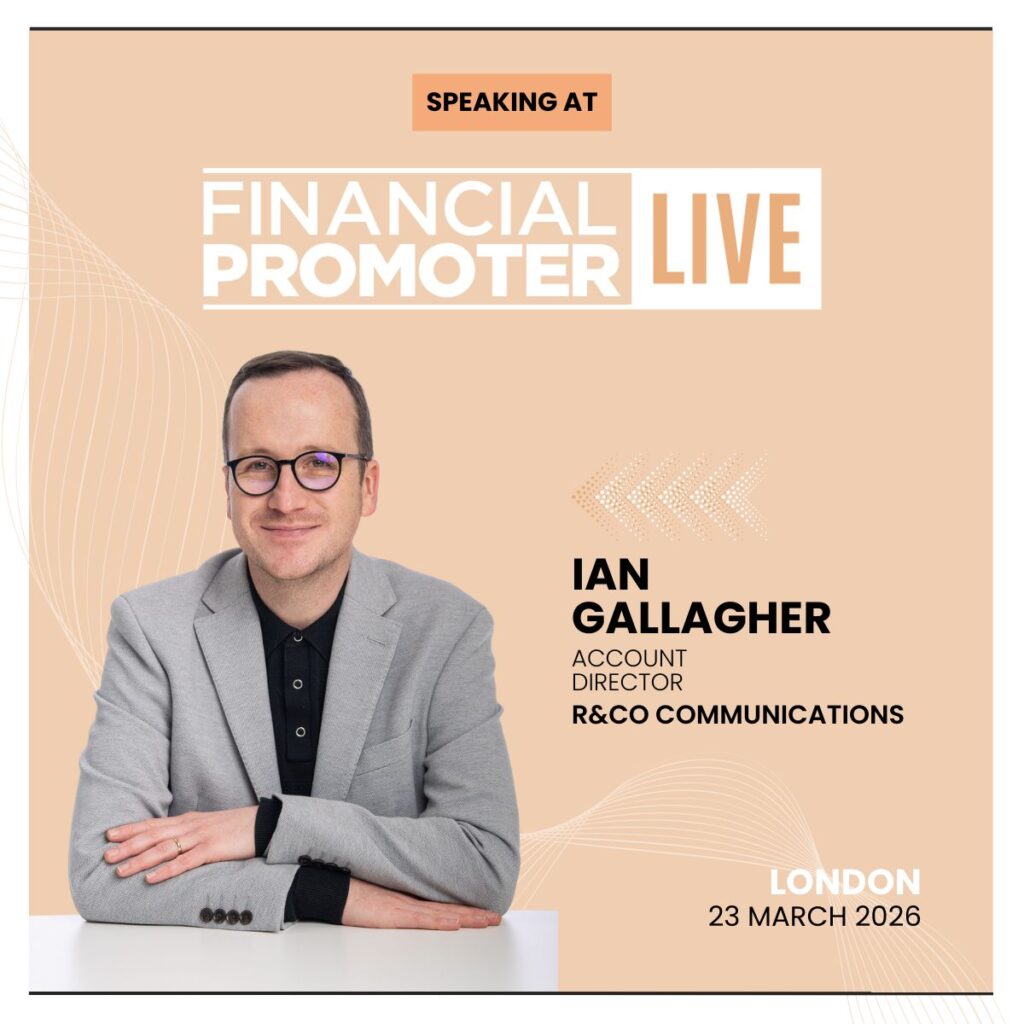
Financial Promoter Live! takes place at CodeNode, London on 23rd March.
We specialise in marketing for professional services. Contact us to discuss your PR, SEO or social media needs.
