
Talk about the industry and the industry talks about you…
PR isn’t just about the drumbeat of good news from your business.
It’s about demonstrating real expertise which sets you apart from your competition.
Producing thought leadership content enables you to talk with authority about your industry’s biggest challenges or opportunities and pitch them to journalists.
What is thought leadership content?
Thought leadership content is one of the most effective ways to gain high-quality coverage in engaged media titles across a wide range of sectors.
It is about providing expert commentary which goes beyond the promotional – whether that is reacting to the news agenda to provide a pertinent opinion on a live news story, or setting the agenda yourself.
Reactive thought leadership is often about being quick to respond, giving journalists a fast response to the topics making today’s news. Do well at reactive PR and you increase the chances of them returning to you for comments on future stories.
Setting the agenda yourself is all about knowing the contents of your in-tray inside-out, and how that relates to the market in the sectors you operate in.
Learn more about proactive and reactive PR and when to use each tactic for maximum impact.

The benefits of thought leadership PR
If you can offer thought leadership content on a subject where you set the agenda and this achieves cut-through with the media, it can offer a dual benefit – you gain valuable column inches, and you can also be seen as the go-to authority on that topic.
For example, our client Pallet-Track set the agenda on the HGV driver shortage crisis of 2021 and 2022, and became the first business the logistics press contacted when they were looking for comments on the issue.
But, whether it is proactive or reactive thought leadership, both offer the benefit of being seen as an authority in your field in a non-promotional content.
Mixing thought leadership with a drumbeat PR campaign around growth, appointments and client case studies is a really effective way to build brands – both personal and company-wide.
Read our case study on supply chain specialists Customs Support Group to see the results of a strategic thought leadership PR campaign.
How do I become a thought leader?
To answer the question of how to become a thought leader, you should start by considering what you want to get out of it, both for the individual and the business as a whole.
Some top tips to follow include:
- Don’t spread yourself too thin – trying to produce B2B thought leadership content on too many topics at once can be counter-productive, as you are less likely to find an area where you are seen as a go-to authority. Choose the top two or three sectors where you want your business to be seen, and develop content which could appeal to decision-makers in those sectors
- Don’t stray into promotional content – thought leadership marketing is about demonstrating expertise, not promoting your business. Any product placement you include in editorials is likely to end up being cut. Instead, talk about the insight you have on your industry and what your customers are telling you
- Ensure you have plenty of good sources – a fully-rounded opinion piece needs multiple sources and a 3D picture of the world it is talking about. If you can pepper your thought leadership content with sources that consider the bigger picture beyond your personal expertise, it shows you have a true grasp of the topic
Thought leadership for search engines
The benefits of thought leadership should always be considered beyond just PR coverage.
Google’s EEAT framework (Experience, Expertise, Authoritativeness, and Trustworthiness) for helpful content is well established, and favours sources which demonstrate proven credibility and consistent quality.
This is particularly important when considering what Google calls Your Money or Your Life (YMYL) topics – which is anything that could potentially impact the health, finances or safety of users.
In the age of AI when trustworthiness and transparency have never been more important, it is vital you ensure your thought leaders feed into this.
Research published by Press Gazette revealed the growing problem of fake and AI-generated experts making their way into UK publications.
To counter this, thought leadership content is a great way of showing Google you are a trusted – and real – source.
In practical terms, this means having a bio page for each of your thought leaders on your company website, which you link to in any thought leadership articles you produce, and a regularly-updated blog page with your bylined articles featured on it.
Piecing together the jigsaw of trust signals in this way helps show Google that you are a credible source, which you can build on with PR outreach and link-building.
Thought leadership articles we’ve produced
Some examples of thought leadership articles we’ve produced for our logistics and professional services clients include:
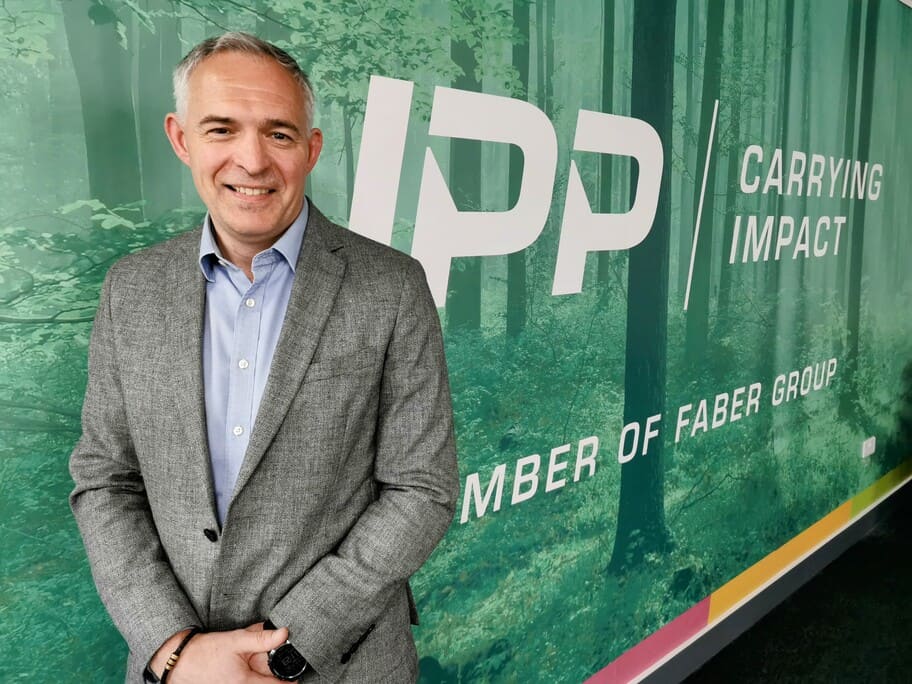
- Supply chain business IPP’s regional managing director Andy Maddock spoke about the need to incentivise companies to use alternative fuel, which was covered by fleet industry website Business Vans
- Nicola Haynes, senior customs consultant at Customs Support Group, discussed the risk to UK retailers of missing out on lucrative EU sales opportunities because of concerns about the cost and complexity of handling returns. This was covered by the leading ecommerce website Internet Retailing
- Paislei Godley, director at Prime Accountants Group, offered her expert opinion to accounting industry website AAT Comment about HMRC’s planned roadmap to improve its contact methods and enquiry turnaround times
These are good examples of how to appear in not just your industry press, but also your vertical markets – the trade titles your customers and prospects read.
Find out more about our approach to PR and our impressive results.
Talk to our team about thought leadership content campaigns
Are you looking to develop a thought leadership strategy for your business? Talk to us to find out how we get under the bonnet of your business to identify your key personnel and get them heard in the places that matter.