As a nation of animal lovers, pets are always a hot topic guaranteed to invoke a response.
Cute puppy photos and inspirational stories will lead people to hit the ‘like’ button, but sometimes your practice can fall victim to negativity.
During a social media crisis, it is more important than ever to remain professional online, ensuring trust and credibility with your clients and the veterinary community.
At R&Co Communications, we have more than 20 years of experience in the veterinary sector and have managed social media accounts for some of the UK’s most well-known veterinary practices and referral hospitals.
In this blog, we will explore about how to prepare for and handle a veterinary social media crisis (if you don’t have a skilled social media team like ours to handle it for you).
What does a social media crisis look like for veterinary clinics?
If you’re a vet practice, a social media crisis can come in many forms.
If it’s not managed correctly however, it can quickly spiral, even attracting press interest and turning into a separate PR crisis.
In a case where a beloved pet dies or suffers a serious complication, grieving owners can sometimes turn to social media in a bid to make people aware of their experience via posts on personal or local pages, or comments on the practice’s social media posts.
There is also a heightened awareness around costs, thrust into the limelight by the Competition and Markets Authority (CMA) investigation into rising costs and corporate ownership.
Owners who feel they were overcharged could turn to social media, as can those who believe their pet has undergone unnecessary treatment.
A bill which can end up costing thousands of pounds can quickly become a flashpoint, especially if an owner feels they weren’t given clear options or a full understanding of the costs involved.
When it comes to managing a social media crisis, preparation is key.
We always recommend planning ahead and having a social media crisis strategy in place, with holding comments drafted and ready to go if a situation occurs.
How to deal with negative social media comments
Negative comments could typically include criticism about your service, complaints about waiting times, cost concerns, or disagreement with your clinical advice or services to animals in your care.
It’s important not to ignore these comments in the hope they go away, as this can have the opposite effect and cause the situation to escalate as more people see you have ignored the original post.
How to respond:
- Respond promptly and professionally – Aim to reply within 24 hours to demonstrate you are engaged and take feedback seriously.
- Acknowledge their concern – Begin by recognising their comment with “Thank you for raising this” or “We appreciate your feedback”.
- Avoid being defensive – Do not respond emotionally or dismissively, even if the criticism feels unfair.
- Provide solutions – Where possible, offer practical steps: “We would like to hear more about your experience. Please contact us directly at (email/phone) so we can help”.
- Keep it brief – Two to three sentences are usually sufficient; move longer conversations to direct message or private communication.
- Use it as feedback – Sometimes negative comments highlight genuine service issues worth addressing internally.
- Do not always delete – Responding professionally to reasonable criticism actually builds trust and shows you are accountable.
When to move offline:
If a comment requires detailed explanation or involves personal information about a client or their pet, suggest moving the conversation to private messaging, email, or phone rather than discussing it publicly.
Important note on professional relationships:
If a negative comment involves a referring or referral practice, avoid criticising colleagues publicly. Follow RCVS guidance on professional communication between practices – ensure any response maintains professional courtesy and the integrity of the referral relationship.
How to manage misinformation about your practice
Misinformation could include false claims about your treatments, credentials, services, costs, opening hours, safety record, or clinical outcomes.
It may also include unverified animal health claims in comments on your posts.
Your response strategy:
- Address it factually and calmly – Correct the record with accurate information: “To clarify, our practice does offer (service). You can find full details on our website at (link)”.
- Provide evidence where possible – Link to your website, RCVS guidance, veterinary charity resources, or published evidence that supports your position.
- Do not amplify conspiracy theories – Avoid repeating false claims in detail; focus on the correct information instead.
- Keep it professional – Never mock or belittle someone for believing in misinformation.
- Consider the wider audience – Reply in a way that helps others who may be reading the comments, not only the original poster.
- Offer authoritative sources – Direct people to official resources such as RCVS Knowledge, the British Veterinary Association (BVA), relevant clinical guidelines, or reputable animal health organisations for verification.
If someone promotes unproven treatments or dangerous veterinary advice on your posts, then respond with a factual response, quoting the evidence-based advice and directing people to speak to their vet for personalised treatment.
Try to include links to reputable vet sources if you can.
If the comment promotes dangerous veterinary advice which could cause harm to animals, it is important to delete it. If the comment also breaches the platform’s animal health or safety misinformation policies then it should be reported.
Sometimes responding to or deleting a post is not enough and further action needs to be taken.
If misinformation involves your professional status, accreditations or credentials then it is important to contact your regulatory body or professional organisation, such as the RCVS or BVA.
Likewise, if posts misrepresent a referral relationship (for example, implying endorsement you have not given), correct this factually and, where needed, contact the other practice privately to maintain a good professional relationship.
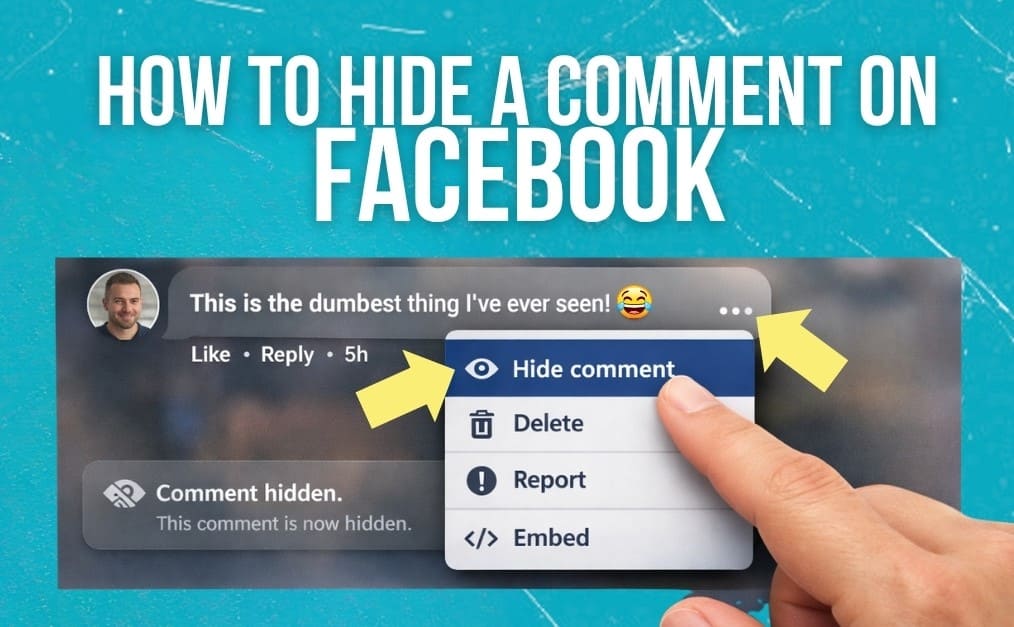
How to deal with abusive messages on social media
Abusive messages include personal insults, harassment, threats, racist or discriminatory language, sexually explicit content, or repeated unwanted contact intended to intimidate or upset.
It is important never to respond to abusive messages, even to defend yourself. Responding can escalate the situation.
Six steps to follow when dealing with abuse:
- Document it – Take a screenshot for your records and any report to the platform or authorities.
- Block the user – Blocking prevents further messages, comments, and profile viewing.
- Report to the platform – Use the report function and select abuse/harassment, attaching evidence where possible.
- Delete the message – Once reported, remove the abusive content from your account.
- Alert your team – If several people manage the account, let them know you have blocked this user.
- Consider reporting to the police – If there are threats of violence or criminal behaviour, report and retain all records.
Your team may feel concerned if the practice has been targeted with abusive messages, so it is important to reassure colleagues that reporting abuse is the correct action.
The practice should have a clear policy so everyone understands the agreed process, and records should be kept of abusive messages in case a pattern emerges over time.
Each platform offers different ways to manage who can get in touch, through blocking, reporting and muting restrictions.
Check the platform’s policies for the options they offer to control who can contact you or comment on your accounts.
Key takeaways
When it comes to dealing with a veterinary social media crisis, the main aim is to stop escalation.
Each platform has its own tools to help you deal with negativity or abuse, but being prepared ahead of this ever happening is the most effective way of dealing with a social media crisis.
Support with your veterinary social media strategy
With more than 20 years’ experience in the veterinary sector, R&Co has an in-depth understanding of the pressures facing the profession.
Our award-winning team is made up of social media experts, SEO specialists and PR professionals, including former editors and journalists, who have managed reputational issues for veterinary clients over many years.
We don’t just react to situations – we prepare. Our approach ensures any potential crises are handled quickly and effectively, with minimal impact for your business.
We can work with you to:
- Develop a bespoke social media crisis plan tailored to your practice, complete with pre-drafted comments, replies and messages and clear escalation protocols.
- Offer hands-on support during a crisis, overseeing social media accounts and taking action as appropriate.
- Acting as a strategic adviser to manage any resulting media enquiries and protect your reputation.
- Offer advice on how to get your reputation back on track after a crisis situation.
Learn more about our veterinary PR and marketing services or contact our team for tailored advice.